

Carbon Credit
Carbon Credits & Climate Asset Development
Transforming Sustainability into Measurable ValueThe global transition toward a low-carbon economy is creating unprecedented opportunities for organizations to generate environmental value alongside economic returns. Carbon credits have emerged as one of the most powerful mechanisms for incentivizing climate action by converting verified greenhouse gas reductions and carbon removals into tradable environmental assets.
Rigel BioEnviron Solutions supports organizations, industries, municipalities, and project developers in identifying, developing, and maximizing carbon credit opportunities across renewable energy, waste management, circular economy, and resource recovery projects.
By integrating climate impact assessment with technical project development, we help transform sustainability initiatives into measurable, verifiable, and monetizable carbon assets.
What Are Carbon Credits?
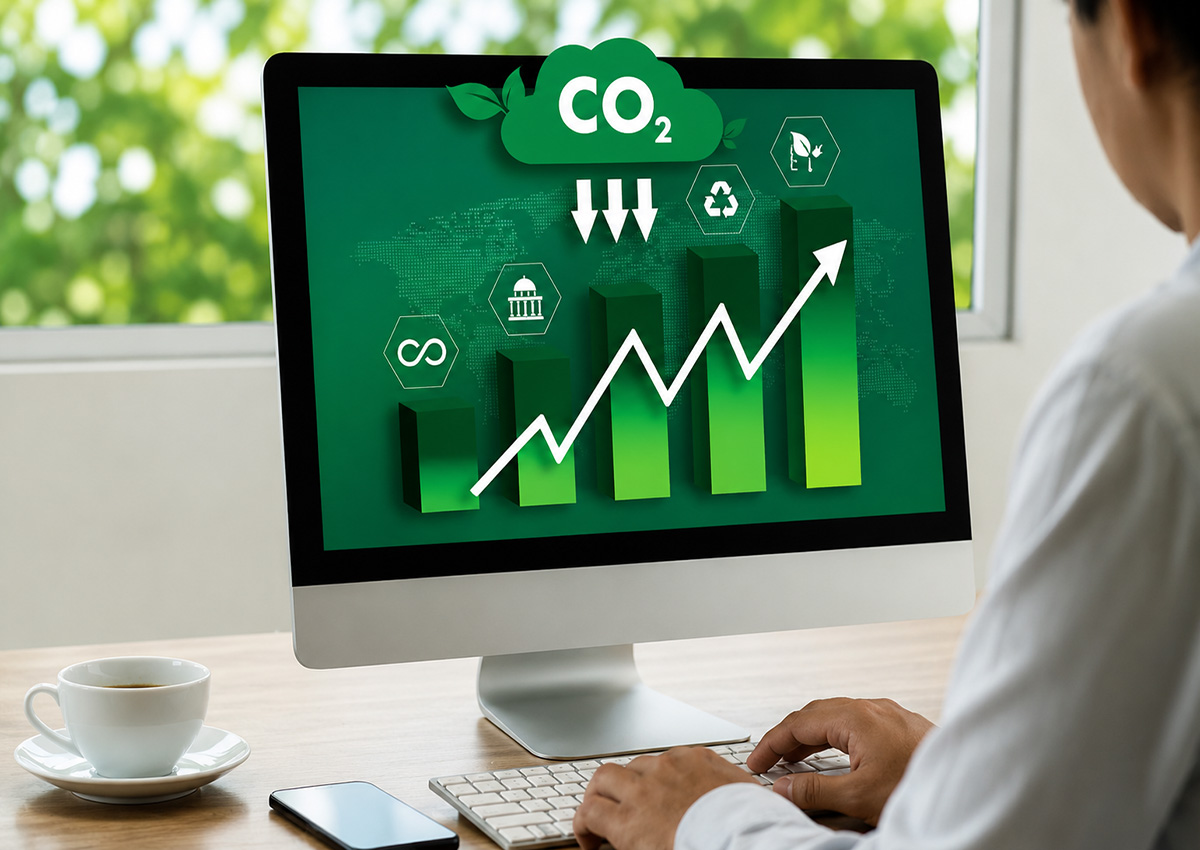
A carbon credit represents one metric tonne of carbon dioxide equivalent (tCO₂e) that has been either avoided, reduced, or permanently removed from the atmosphere through an approved project activity.
Carbon credits are generated through projects that deliver measurable climate benefits, including:
- Renewable energy generation.
- Methane emission reduction.
- Waste diversion from landfills.
- Carbon sequestration.
- Sustainable agriculture.
- Resource recovery and circular economy solutions.
- Nature-based and engineered carbon removal technologies.
These credits can be verified under internationally recognized standards and traded within voluntary or compliance carbon markets, creating an additional revenue stream while supporting global decarbonization efforts.
Carbon Markets: A Growing Global Opportunity
As governments, corporations, and financial institutions commit to net-zero targets, demand for high-quality carbon credits continues to increase. Organizations worldwide are actively seeking credible carbon reduction and carbon removal projects capable of delivering measurable environmental outcomes.
Projects that combine strong sustainability benefits with robust monitoring and verification frameworks are increasingly attracting premium value within international carbon markets.
How Rigel Creates Carbon Value
Many of Rigel’s solutions naturally generate climate benefits that can be translated into carbon credits through recognized methodologies and certification frameworks.
Our expertise spans the identification, assessment, and development of carbon credit opportunities across multiple sectors.
Carbon Credit Opportunities Across Our Solutions – (Transforming Sustainability into Opportunity)
Bio-CNG & Biogas Projects
Biogas and Bio-CNG facilities reduce methane emissions from organic waste while replacing fossil fuels with renewable energy.
Carbon credits can be generated through:
- Methane avoidance.
- Renewable energy generation.
- Fossil fuel displacement.
- Sustainable waste management.
Biochar Production
Biochar is increasingly recognized as one of the world’s most promising carbon removal technologies.
By converting biomass into stable carbon that remains sequestered for hundreds to thousands of years, biochar projects can generate high-quality carbon removal credits under internationally recognized certification standards.
Benefits include:
- Permanent carbon sequestration.
- Carbon-negative project operation.
- Additional revenue through carbon markets.
- Improved project returns and sustainability performance.
Organic Waste Management & Resource Recovery
Projects that divert organic waste from landfills and recover resources through circular economy approaches can create significant climate benefits through avoided methane emissions and reduced environmental impacts.
Renewable Energy & Waste-to-Energy Projects
Electricity generation from biogas, biomass, and recovered resources contributes to emission reductions by replacing conventional fossil-fuel-based energy systems.
Sustainable Agriculture & Nutrient Recovery
Organic fertilizers, nutrient recovery systems, and regenerative agriculture practices contribute to soil health improvement and can support broader carbon reduction and sustainability initiatives.
Our Services
Rigel provides comprehensive support across the carbon project lifecycle, including:
- Carbon opportunity assessment.
- Feasibility and baseline studies.
- Emission reduction quantification.
- Project documentation support.
- Monitoring and reporting frameworks.
- Carbon asset strategy development.
- Integration of carbon revenues into project economics.
- Advisory support for international certification pathways.
Beyond Compliance: Creating Climate Assets
Carbon credits should not be viewed simply as an environmental obligation. When properly integrated into project planning, they become strategic assets capable of enhancing financial performance, improving investment attractiveness, and accelerating sustainable infrastructure development.
By combining engineering expertise, waste-to-value technologies, renewable energy solutions, and resource recovery systems, Rigel helps clients unlock the full climate value of their projects.
Building the Net-Zero Economy
The future belongs to projects that create environmental, social, and economic value simultaneously.
Through renewable energy generation, carbon removal technologies, circular resource recovery, and sustainable infrastructure development, Rigel supports the creation of projects that contribute meaningfully to global climate goals while generating long-term commercial value.
– Turning Emission Reductions into Climate Assets-