

Innovation
Rigel’s Innovation in PHA biodegradable plastic production from waste organics
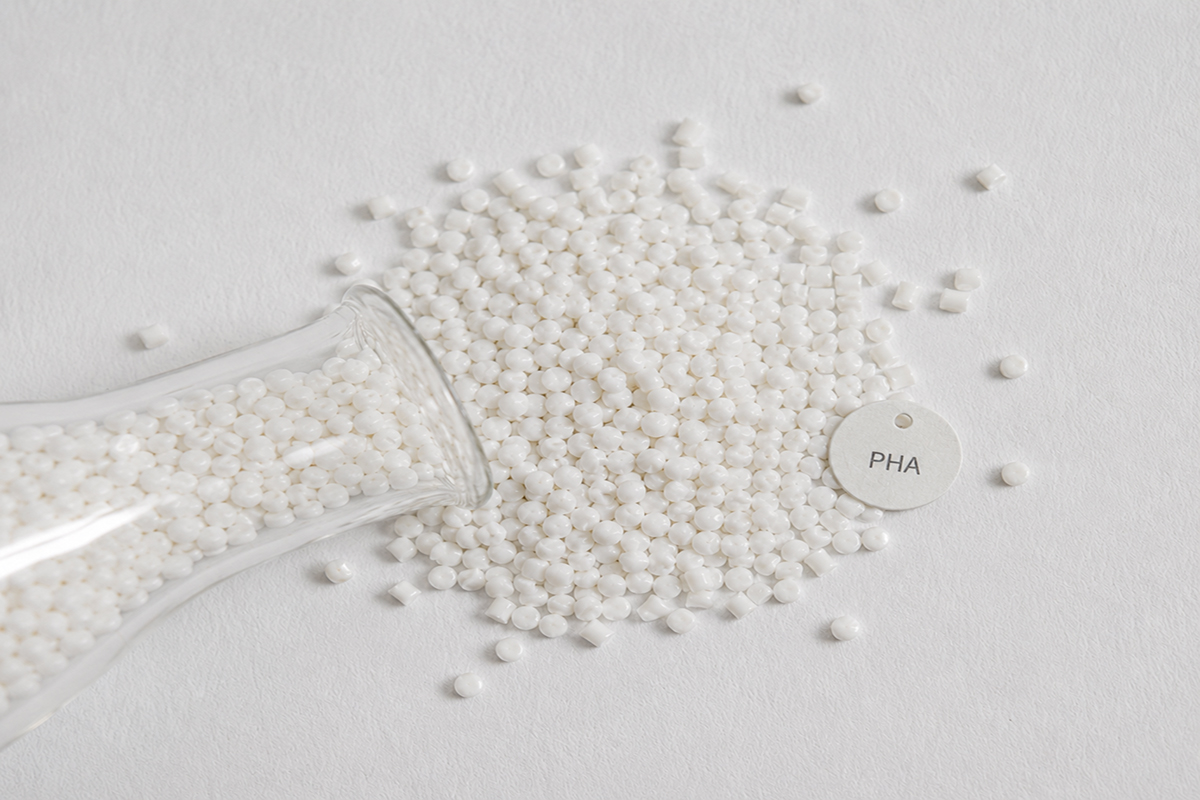
Polyhydroxyalkanoates (PHA): Nature’s Answer to the Plastic Crisis
As the world confronts the growing environmental impact of plastic pollution, Polyhydroxyalkanoates (PHAs) are emerging as one of the most promising sustainable alternatives to conventional plastics. Produced naturally by microorganisms, PHAs represent a new generation of biodegradable polymers capable of delivering the functionality of traditional plastics while significantly reducing their environmental footprint.Unlike petroleum-based plastics that can persist in the environment for hundreds of years, PHAs are fully biodegradable and compostable. They naturally break down into water, carbon dioxide, biomass, and other harmless natural compounds through microbial action in soil, freshwater, marine environments, and industrial composting systems, without leaving behind persistent microplastics.
What makes PHAs particularly attractive is their ability to be produced from renewable carbon sources, including agricultural feedstocks, industrial by-products, organic waste streams, and wastewater-derived carbon. This unique capability enables the conversion of low-value waste into high-value sustainable materials while supporting the principles of the circular bioeconomy.
Why PHAs Matter
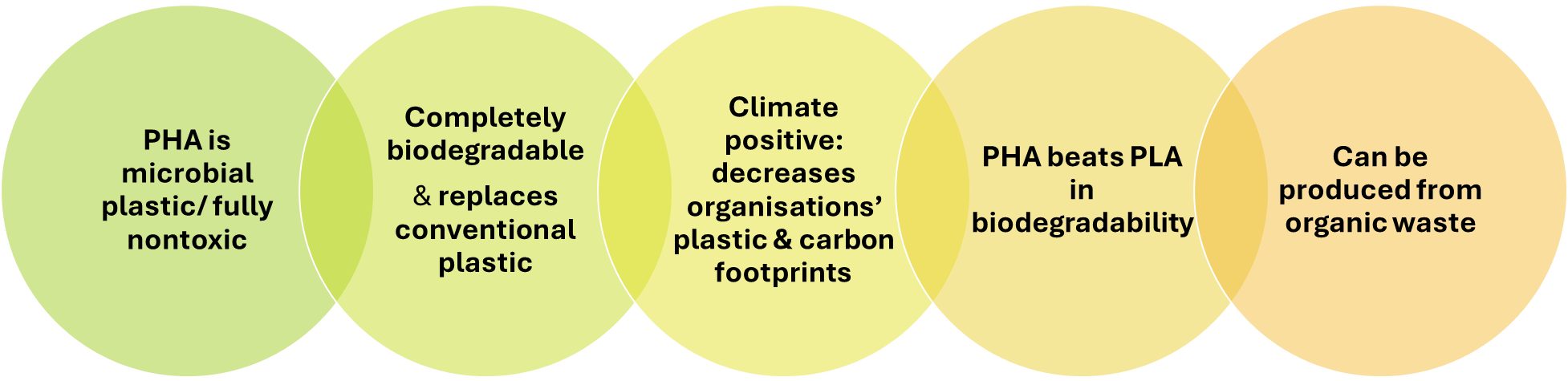
- 100% Biodegradable & Compostable
Breaks down naturally in soil, freshwater, marine environments, and composting systems without leaving persistent microplastics. - Produced from Renewable & Waste-Derived Carbon
Can be manufactured using organic waste streams, agricultural residues, industrial by-products, wastewater-derived carbon, and other renewable feedstocks.
- Supports the Circular Bioeconomy
Transforms waste into high-value materials, reducing landfill burden and dependence on fossil resources. - Biocompatible & Non-Toxic
Suitable for applications where environmental safety and biological compatibility are critical. - Versatile Material Platform
Can be tailored for rigid, flexible, film, coating, and specialty applications across multiple industries. - High-Value Product from Low-Value Feedstocks
Creates a unique waste-to-value pathway where low-cost organic waste can be converted into premium sustainable materials with growing global demand.
Applications :
PHA-based materials have applications across a wide range of sectors:
- Sustainable packaging and films
- Carry bags and compostable packaging
- Food service products and disposable cutlery
- Agricultural mulch films and nursery products
- Consumer goods and household products
- Healthcare and biomedical applications
- Controlled drug delivery systems
- Specialty polymers and advanced materials
From Waste to Value
Organic Waste → Carbon Recovery → PHA Production → Bioplastic Granules → Sustainable Products
This pathway transforms waste management from a cost center into a value-generating opportunity, producing a premium biopolymer that addresses global demand for sustainable materials while contributing to climate goals, circular economy objectives, and resource efficiency.
The Future of Plastics is Biological
Transforming Waste into the Materials of the Future
At Rigel BioEnviron Solutions, innovation is driven by a commitment to developing practical technologies that address global challenges in waste management, resource recovery, sustainable materials, and climate resilience.
Rigel’s has proprietary process in production of Polyhydroxyalkanoate (PHA) bioplastics from waste-derived carbon sources. This is based on long-term research efforts initiated with the vision of transforming organic waste and wastewater streams into high-value biodegradable materials, creating a pathway towards circular manufacturing and sustainable resource utilization.
In 2020, the research received support under the Biotechnology Ignition Grant (BIG) programe of the Biotechnology Industry Research Assistance Council (BIRAC), DBT, Government of India. The grant enabled the industrial demonstration and pilot validation, providing a foundation for further scale-up and commercialization.
Technology demonstration
EXECUTED PHA BIOPLASTIC PRODUCTION PROJECT
Industrial pilot plant for bioplastic from agro waste was completed under project ‘PHA based bioplastic from agro waste water’ funded by BIRAC, DBT, Govt. of India, at the industry site of IFB Agro Limited in West Bengal, India. Scale: Pilot plant 200 lph, with more than 50% biomass to PHA conversion. The process patent is granted.
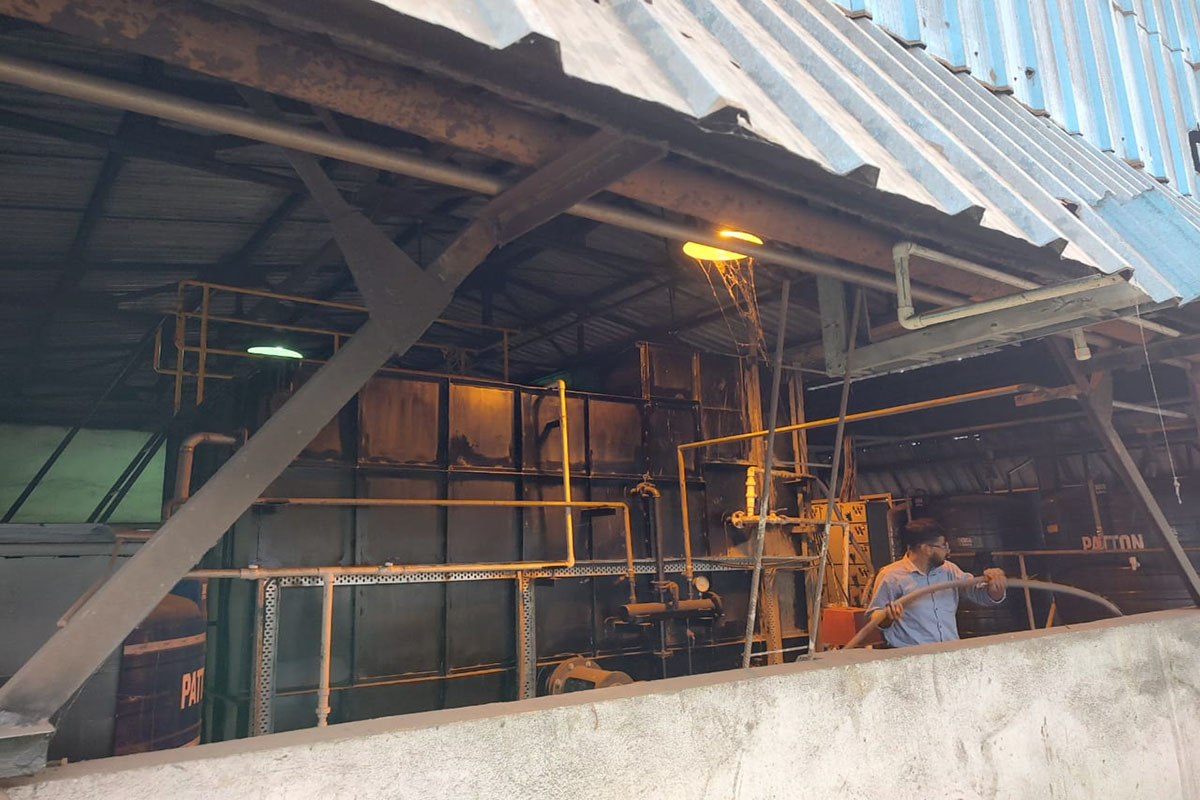
Plant for Bio Plastic from Agro waste
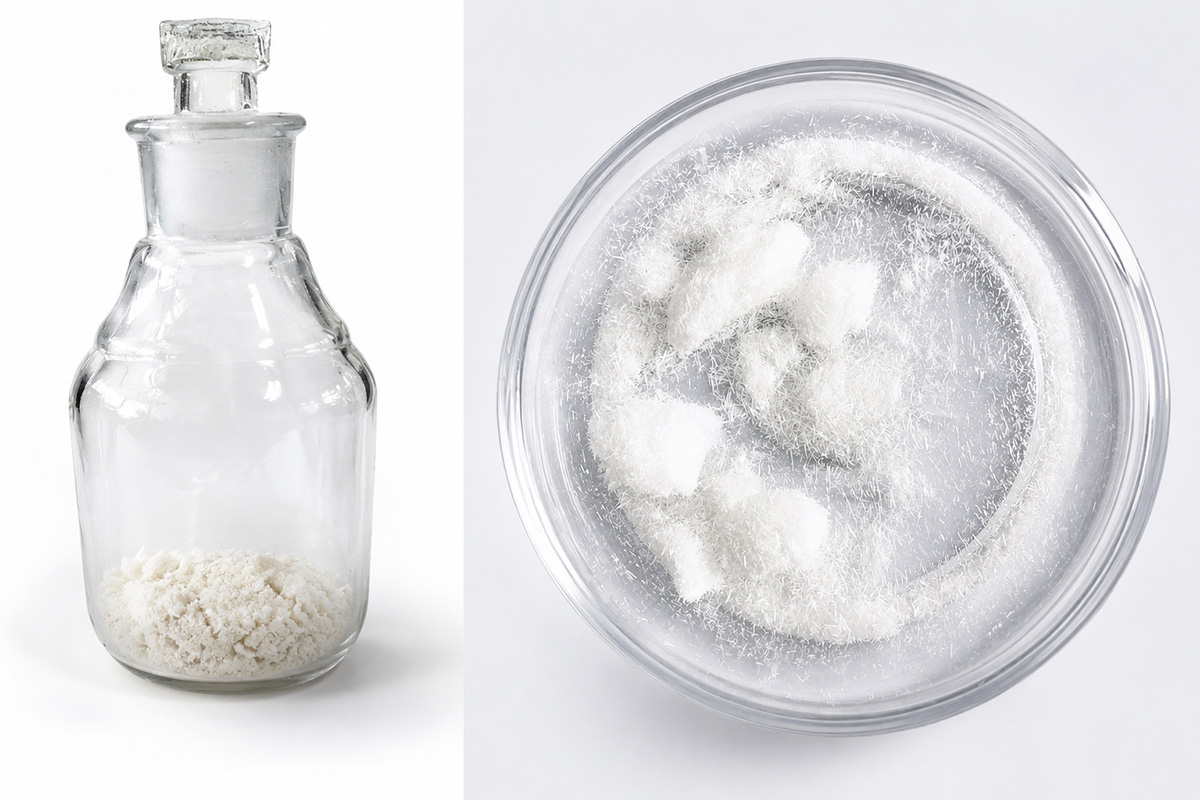
Produced PHA Polymar
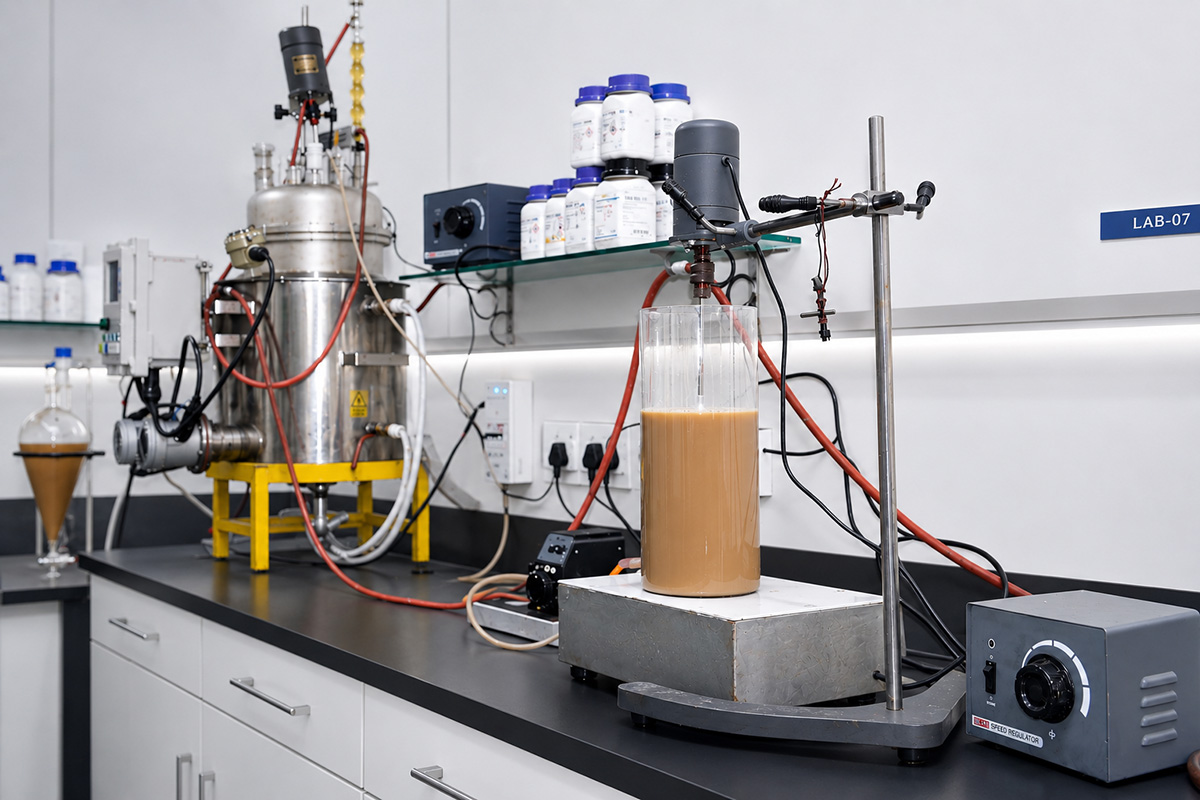
Extraction of PHA
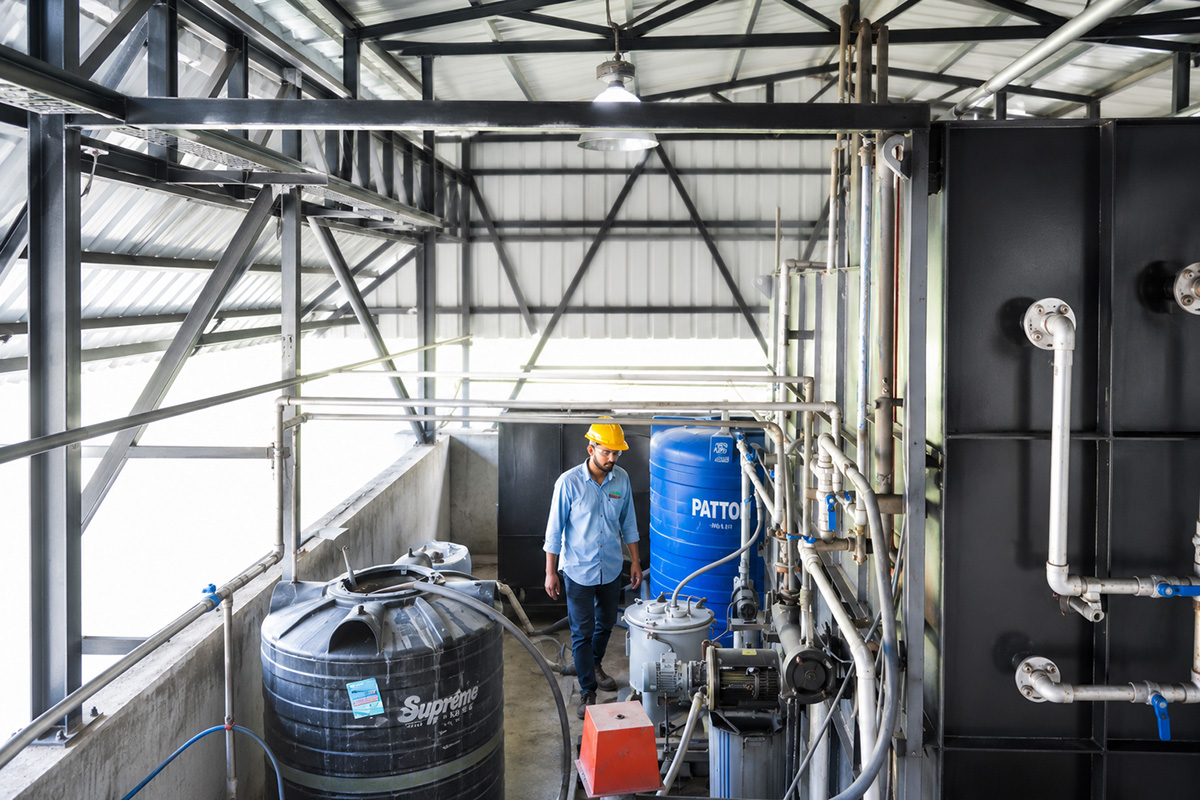
Plant top view
The Technology Demonstration Process
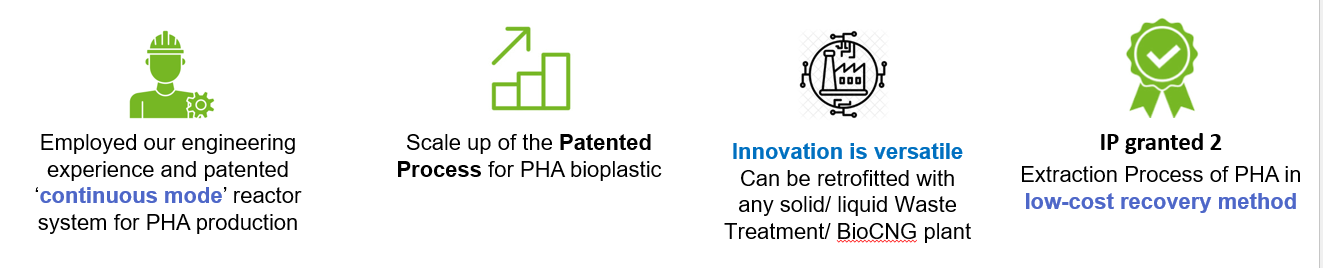
From Innovation to Industrial Deployment
Rigel’s PHA production process has successfully demonstrated the technical feasibility of producing PHA bioplastics from organic waste-derived feedstocks. The focus now is on translating this innovation into commercially deployable infrastructure through the development of integrated biorefinery facilities.
Unlike conventional single-product manufacturing systems, the proposed biorefinery model combines renewable energy generation, sustainable material production, and nutrient recovery within a single platform. This integrated approach enables maximum resource utilization while significantly improving overall project economics.

The commercialization pathway focuses on the establishment of integrated facilities capable of simultaneously producing:
- PHA Bioplastics from waste-derived carbon streams.
- Biogas and Bio-CNG through anaerobic digestion of organic feedstocks.
- Organic Fertilizers and Nutrient Recovery Products including PROM, LFOM, and enriched organic manure from digestate streams.
- Additional Resource Recovery Products that support circular economy objectives.
By integrating these value streams within a common processing platform, the biorefinery maximizes revenue generation per tonne of waste while minimizing residual disposal requirements.
This implementation model transforms organic waste into multiple high-value products, creating a commercially sustainable pathway for large-scale deployment of circular bioeconomy technologies.
One Feedstock. Multiple Products. Maximum Resource Recovery.
Organic Waste → PHA Bioplastics + Bio-CNG + Biofertilizers